-
See Our Best Book
Club Books of 2026!
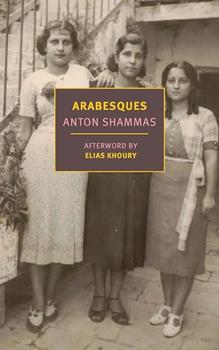
by Anton Shammas
A luminous, inventive, and deeply personal exploration of living in the liminal space between Jewish and Arab, ancient and modern, by a gifted Palestinian writer.
Chosen by The New York Times as one of the best books of 1988, Arabesques is a luminous novel that engages with history and politics not as propaganda but as literature. That engagement begins with the language in which the book is written: Anton Shammas, from a Palestinian Christian family and raised in Israel, wrote in Hebrew, as no Arab novelist had before. The choice was provocative to both Arab and Jewish readers.
Arabesques is divided into two sections: "The Tale" and "The Teller." "The Tale" tells of several generations of family life in a rural village, of the interplay of past and present, of how memory intersects with history in a part of the world where different people have both lived together and struggled against each other for centuries. "The Teller" is about the writer's voyage out of that world to Paris and the United States, as he comes into his vocation as a writer, and raises questions about the authority of the storyteller and the nature of the self. Shammas's tour de force is both a personal and a political narrative—a reinvention of the novel as a way of envisioning and responding to historical and cultural legacies and conflicts.
"Arabesques is one of the finest novels about the 1948 Nakba, when an estimated three-quarters of a million Palestinians were forced out of their homes and off their land to make way for the Jewish state. Not only did Shammas powerfully describe these tragic events, but he did so in Hebrew instead of Arabic so that an Israeli public could finally confront this story too….In Arabesques, Shammas steers away from politics outright, and yet his novel, lyrical and subtle in its humor, is ultimately very political." —The Nation
"Intricately conceived and beautifully written... . A crisp, luminous, and nervy mixture of fantasy and autobiography... [and] an elegant example of postmodern baroque." —The New Yorker
"Arabesques really brings, as novels were once supposed to bring, 'news' from elsewhere... This book has already added something notable to Israeli literature." —The New York Review of Books
"If Hebrew literature is at all destined to have its Conrads, Nabokovs, Becketts and Ionescos, it could not have hoped for a more auspicious beginning." —Los Angeles Times Book Review
This information about Arabesques (New York Review Books Classics) was first featured
in "The BookBrowse Review" - BookBrowse's membership magazine, and in our weekly "Publishing This Week" newsletter. Publication information is for the USA, and (unless stated otherwise) represents the first print edition. The reviews are necessarily limited to those that were available to us ahead of publication. If you are the publisher or author and feel that they do not properly reflect the range of media opinion now available, send us a message with the mainstream reviews that you would like to see added.
Any "Author Information" displayed below reflects the author's biography at the time this particular book was published.
Anton Shammas (b. 1950) is a Palestinian writer and translator of Arabic, Hebrew, and English. His novel Arabesques, originally published in Hebrew in 1986 and translated into nine languages, was chosen by The New York Times Book Review as one of the best seven works of fiction of 1988. A professor emeritus of comparative literature and Middle East studies at the University of Michigan, Ann Arbor, Shammas's essays have been published in Harper's, The New York Times Magazine, Critical Inquiry, and The New York Review of Books.
The Sister's Curse
by Nicola Solvinic
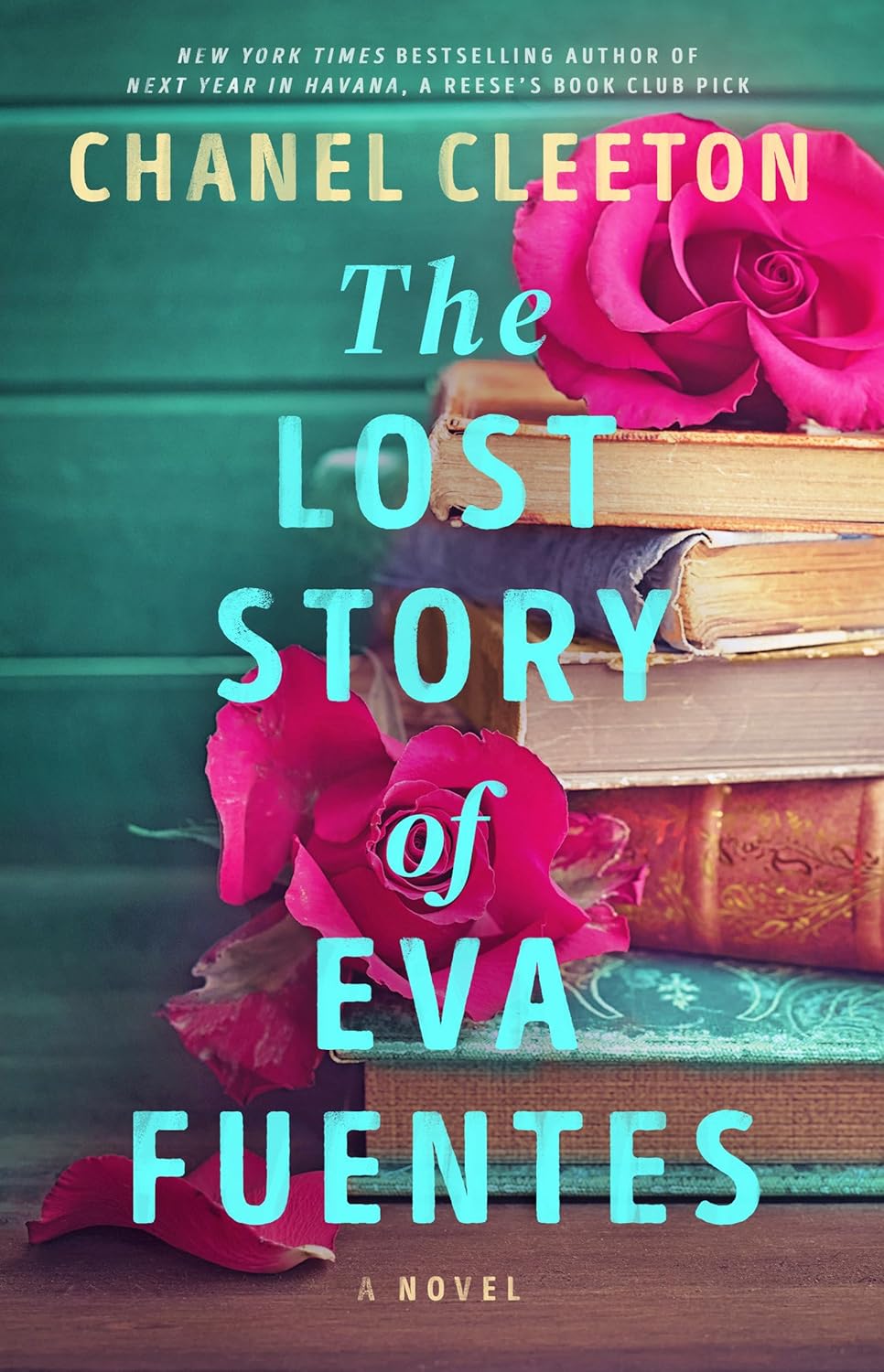
The Lost Story of Eva Fuentes
by Chanel Cleeton
The Vanishing Place
by Zoë Rankin
 (1).gif)
The only completely consistent people are the dead
Click Here to find out who said this, as well as discovering other famous literary quotes!

Can you name the title?
Test your book knowledge with our daily trivia challenge!
Your guide toexceptional books
BookBrowse seeks out and recommends the best in contemporary fiction and nonfiction—books that not only engage and entertain but also deepen our understanding of ourselves and the world around us.