-
See Our Best Book
Club Books of 2026!
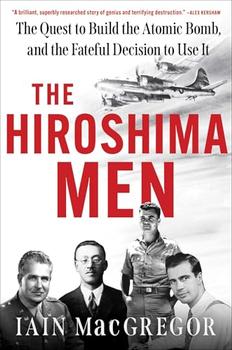
The Quest to Build the Atomic Bomb, and the Fateful Decision to Use It
by Iain MacGregor
A vivid account of one of history's most significant events: the approval, construction, and fateful decision to drop the atomic bomb—based on new research and interviews, timed to coincide with the 80th anniversary of the Hiroshima attack.
At 8:15 a.m. on August 6th, 1945,the Japanese port city of Hiroshima was struck by the world's first atomic bomb. Built in the US by the top-secret Manhattan Project and delivered by a B-29 Superfortress, a revolutionary long-range bomber, the weapon destroyed large swaths of the city, instantly killing tens of thousands. The world would never be the same again.
The Hiroshima Men's unique narrative recounts the decade-long journey towards this first atomic attack. It charts the race for nuclear technology before and during the Second World War, as the allies fought the axis powers in Europe, North Africa, China, and across the vastness of the Pacific, and is seen through the experiences of several key characters: General Leslie Groves, leader of the Manhattan Project alongside Robert Oppenheimer; pioneering Army Air Force bomber pilot Colonel Paul Tibbetts II; the mayor of Hiroshima, Senkichi Awaya, who would die alongside over eighty-thousand of his fellow citizens; and Pulitzer Prize–winning novelist John Hersey, who travelled to post-war Japan to expose the devastation the bomb had inflicted upon the city, and in a historic New Yorker article, described in unflinching detail the dangers posed by its deadly after-effect, radiation poisoning.
This thrilling account takes the reader from the corridors of power in the White House and the Pentagon to the test sites of New Mexico; from the air war above Germany to the Potsdam Conference of Truman, Churchill, and Stalin to the savage reconquest of the Pacific to the deadly firebombing air raids across the Japanese islands. The Hiroshima Men also includes Japanese perspectives—a vital aspect often missing from Western narratives—to complete MacGregor's nuanced, deeply human account of the bombing's meaning and aftermath.
"An account less about a brilliant technical achievement than a weapon of mass murder." —Kirkus Reviews
"A well-researched study of how warfare was forever changed with the dropping of Fat Man and Little Boy...deftly chronicles the key figures involved in U.S. government and the military who helped end a war while ushering in the tense nuclear age that followed it." —Booklist
"The Hiroshima Men is a brilliant, superbly researched story of genius and terrifying destruction." —Alex Kershaw, New York Times bestselling author of Against All Odds: a True Story of Ultimate Courage and Survival In World War II
"Iain Macgregor's compelling account impresses in many ways. Unheralded individuals take center stage. Vividly drawn characters spring to life. But it is his expertly managed juxtaposition of science, strategy and visceral horror that stands out." —Joshua Levine, New York Times bestselling author Dunkirk
This information about The Hiroshima Men was first featured
in "The BookBrowse Review" - BookBrowse's membership magazine, and in our weekly "Publishing This Week" newsletter. Publication information is for the USA, and (unless stated otherwise) represents the first print edition. The reviews are necessarily limited to those that were available to us ahead of publication. If you are the publisher or author and feel that they do not properly reflect the range of media opinion now available, send us a message with the mainstream reviews that you would like to see added.
Any "Author Information" displayed below reflects the author's biography at the time this particular book was published.
Iain MacGregor is the author of the acclaimed history of Cold War Berlin: Checkpoint Charlie and the award-winning The Lighthouse of Stalingrad: The Hidden Truth Behind WWII's Greatest Battle. He is a Fellow of the Royal Historical Society, has spoken at many literary festivals and conferences in the UK and abroad, appeared on podcasts such as The Rest Is History and on television documentaries. His writing has appeared in The Washington Post, The Spectator, BBC History Magazine, and The Guardian. He lives in London.
The Sister's Curse
by Nicola Solvinic
The Lost Story of Eva Fuentes
by Chanel Cleeton
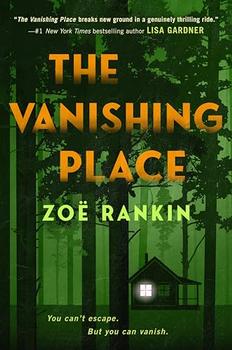
The Vanishing Place
by Zoë Rankin
 (1).gif)
A million monkeys...
Click Here to find out who said this, as well as discovering other famous literary quotes!

Can you name the title?
Test your book knowledge with our daily trivia challenge!
Your guide toexceptional books
BookBrowse seeks out and recommends the best in contemporary fiction and nonfiction—books that not only engage and entertain but also deepen our understanding of ourselves and the world around us.