-
See Our Best Book
Club Books of 2026!
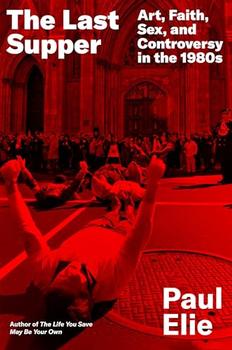
Art, Faith, Sex, and Controversy in the 1980s
by Paul Elie
The origins of our postsecular present, revealed in a vivid, groundbreaking account of the moment when popular culture became the site of religious conflict.
The 1980s are usually seen as a slick, shrill decade. The Ayatollah Khomeini and his followers urged "Death to America"; Ronald Reagan was in the White House, backed by the Moral Majority; John Paul II was asserting Catholic traditionalism and denouncing homosexuality, as were the televangelists on cable TV. And yet "crypto-religious" artists pushed back against the spirit of the age, venturing into vexed areas where politicians and clergy were loath to go―and anticipating the postsecular age we are living in today.
That is the story Paul Elie tells in this enthralling group portrait. Here's Leonard Cohen writing "Hallelujah" in a Times Square hotel room; Andy Warhol adapting Leonardo's The Last Supper in response to the AIDS crisis; Prince making the cross and altar into "signs of the times." Through Toni Morrison the spirits of the enslaved speak from the grave; Patti Smith and Bruce Springsteen deepen the tent-revival intensity of their work; U2, Morrissey, and Sinéad O'Connor give voice to the anguish of young people who were raised religious; Wim Wenders offers an angel's-eye view of Berlin. And Martin Scorsese overcomes fundamentalist opposition to make The Last Temptation of Christ―a struggle that anticipates Salman Rushdie's struggle with Islam in The Satanic Verses.
Much of that work drew controversy, and episodes such as the boycott sparked by Madonna's "Like a Prayer" video and the tearing up of Andres Serrano's Piss Christ in Congress were early skirmishes in the culture wars. But in this book's interlocking tales of the crypto-religious, the artists are the protagonists, and their work speaks to us because it deals with matters of the spirit that are too complex to be reduced to doctrines and headlines.
Stirring, immersive, The Last Supper traces the beginning of our age, in which religion is both surging and in decline. And it presents an outlook―open to belief but wary of it―that those artists and today's readers have in common.
"Elie seeks to understand the ways in which religious ideals find expression in literature, arts, music, and culture ... Readers may not always agree with Elie's contentions in this fascinating, well-written book, but they will never be bored." —Library Journal (starred review)
"While the implications of those questions are fascinating and the individual artist profiles are vivid, Elie struggles to slot the book's various elements into a cohesive argument. It adds up to an intriguing yet disorganized portrait of a tumultuous decade." —Publishers Weekly
"A thought-provoking evaluation of religious-themed art of the 1980s." —Kirkus Reviews
"Paul Elie's exhilarating and provocative meditation, The Last Supper, gathers together a disparate set of characters from the radical left to the radical right: politicians, philosophers, poets, filmmakers, visual artists, authors, but mostly musicians. What binds them in his telling is not simply a decade―the 1980s―or their work, notoriety, and genius; it is religion. Elie's revelation concerning the role of religion in modern life is as important as it is novel. Important because in an age of confusion, it provides answers. Novel because he introduces us to the corners of pop culture where God exists hidden in plain sight." ―Mary Gabriel, author of Madonna: A Rebel Life
"Paul Elie has put together a creative jigsaw of the 1980s. Witten with clarity and grace and style, the pieces of this cultural history interlock masterfully. If you began listening and learning and loving in the 80s, this is the book for you. Forget about grandeur, Elie reveals to us that the world is, in fact, charged with the grungeur of God." ―Colum McCann, author of Let The Great World Spin and Twist
This information about The Last Supper was first featured
in "The BookBrowse Review" - BookBrowse's membership magazine, and in our weekly "Publishing This Week" newsletter. Publication information is for the USA, and (unless stated otherwise) represents the first print edition. The reviews are necessarily limited to those that were available to us ahead of publication. If you are the publisher or author and feel that they do not properly reflect the range of media opinion now available, send us a message with the mainstream reviews that you would like to see added.
Any "Author Information" displayed below reflects the author's biography at the time this particular book was published.
Paul Elie is the author of The Life You Save May Be Your Own (2003) and Reinventing Bach (2012), both National Book Critics Circle Award finalists. He is a senior fellow in Georgetown University's Berkley Center for Religion, Peace, and World Affairs, and a regular contributor to The New Yorker. He lives in Brooklyn.
The Sister's Curse
by Nicola Solvinic
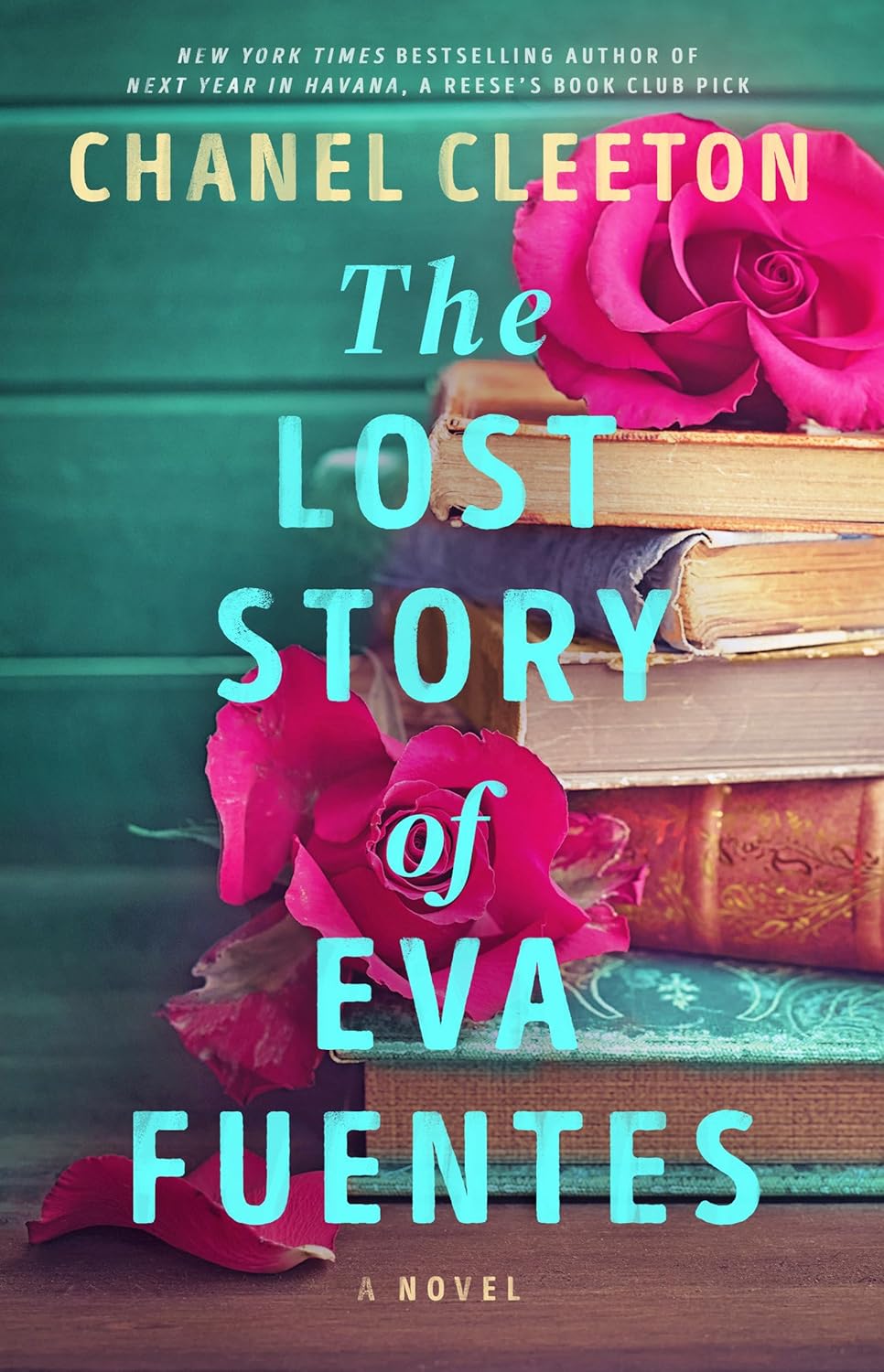
The Lost Story of Eva Fuentes
by Chanel Cleeton

The Vanishing Place
by Zoë Rankin
 (1).gif)
Use what talents you possess: The woods would be very silent if no birds sang there except those that sang best
Click Here to find out who said this, as well as discovering other famous literary quotes!

Can you name the title?
Test your book knowledge with our daily trivia challenge!
Your guide toexceptional books
BookBrowse seeks out and recommends the best in contemporary fiction and nonfiction—books that not only engage and entertain but also deepen our understanding of ourselves and the world around us.