Book Club Discussion Questions
Please be aware that this discussion guide will contain spoilers!
No matter what you do for a living,
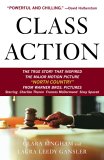
Class Action raises important questions about the modern American workplace and the truth about equal opportunity. As the book's extraordinary courtroom testimony reveals, the line between dignity and economic survival is finer than you might think. The topics that follow are designed to enhance your reading group's discussion of Lois Jenson's story. We also hope to inspire personal avenues of inquiry as you read this eye-opening work.
About This Book
When Lois Jenson went to work at Eveleth Mines in 1975, she saw her new job as a lifesaver–a way to bring herself, and her young son, out of minimum-wage poverty. But she soon discovered that the comfortable paychecks came with a dangerous surcharge. The targets of sexual threats, groping, job sabotage, and anonymous notes accompanied by graphic drawings or sex paraphernalia, Lois and the other women endured an ongoing persecution that threatened their sanity, and for some, had serious physical consequences as well. Yet management and the union looked the other way. It didn't matter if the women of Eveleth performed their jobs well, or desperately needed the wages to support their single-parent households: because of their gender, they were considered a threat. The courts had required Eveleth to hire women, but it would take another lawsuit–and years of persistence on the part of Lois and her legal team–before women could work at the mines with less fear.
Reader's Guide
- The opening scene says a lot about Lois's personality. The roads are so clogged with snow that her three female colleagues miss their first day of work, yet Lois manages to make it on time and even gives a ride to a miner whose truck has stalled. By the end of the book, what has become of Lois's persevering, energetic spirit?
- The most common excuse given for the male miners' sexism is that women like Lois take away "men's jobs," asserting that only men deserve or need a good compensation package. How did that notion survive as long as it did, especially with so many single women raising children in the Mesabi Iron Range? Without the 1974 consent decree, would Eveleth have had any incentive to open its hiring to women? Does your workplace have an unspoken distinction between "men's work" and "women's work”?
- Discuss the worst job you've ever had. What made it so unbearable? What enabled you to leave it? Why did Lois and her co-plaintiffs stay at Eveleth for so many years?
📖
Get the full reading guide
Join BookBrowse free to unlock all 15 discussion questions, author background, themes, and more for Class Action.
Join free — it takes 30 seconds
Already a member? Log in →
- How does the author develop themes of identity and belonging throughout the narrative?
- What role does the setting play in shaping the characters' decisions and relationships?
- Discuss how the ending reframes the events of the story. Were you surprised?
Unless otherwise stated, this discussion guide is reprinted with the permission of Anchor Books.
Any page references refer to a USA edition of the book, usually the trade paperback version, and may vary in other editions.



 (1).gif)