Book Club Discussion Questions
Please be aware that this discussion guide will contain spoilers!
Introduction
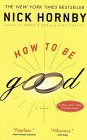
Katie Carr is a good person. She recycles. She's against racism. She's a good
doctor, a good mom, a good wife....well, maybe not that last one, considering
she's having an affair and has just requested a divorce via cell phone. But who
could blame her? For years her husband's been selfish, sarcastic, and
underemployed, writing the "Angriest Man in Holloway" column for their
local paper.
But now David's changed. He's become a good person, tooreally
good. He's found a spiritual leader. He has become kind, soft-spoken, and
earnest. He's even got a homeless kid set up in the spare room. Katie isn't sure
if this is a deeply-felt conversion, a brain tumoror
David's most brilliantly vicious manipulation yet. Because she's finding it more
and more difficult to live with Davidand with herself.
Discussion Questions
- In what ways are the notions of what it means to be "good"
explored in this novel? How do Katie and David Carr each representor
defythese notions? Discuss the role of
"goodness" in the couple's relationship to each other, their
children and their community.
- Vocation plays a central role in the characterizations of both Katie and
David. Compare his work at the outset of the novel ("The Angriest Man
in Holloway" columnist) to her job (Katie Carr, GP). To what extent is
each defined by what they do? How does their relationship to their work
change as their marriage stumbles?
- In what ways does economic class play into the theme of the novel? Compare
the Carr family's economic status to that of DJ Good News, their neighbors,
and the homeless kids. In what ways does each defy or exemplify class
stereotypes? Is the meaning of "goodness" reliant upon these
social and economic class distinctions?
📖
Get the full reading guide
Join BookBrowse free to unlock all 10 discussion questions, author background, themes, and more for How To Be Good.
Join free — it takes 30 seconds
Already a member? Log in →
- How does the author develop themes of identity and belonging throughout the narrative?
- What role does the setting play in shaping the characters' decisions and relationships?
- Discuss how the ending reframes the events of the story. Were you surprised?
Unless otherwise stated, this discussion guide is reprinted with the permission of Riverhead Books.
Any page references refer to a USA edition of the book, usually the trade paperback version, and may vary in other editions.