Book Club Discussion Questions
Please be aware that this discussion guide will contain spoilers!
Though it is built around the elements of a comic thriller
-- explosions, mobsters, federal agents, and a man on the run --
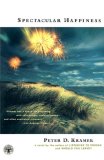
Spectacular
Happiness proves to be a romance and a thoughtful exploration of the nature
of happiness: What sort of private contentment is possible in a culture focused
on achievement, accumulation, and celebrity?
Discussion Points
- How does the form in which this novel is written -- a
series of diary entries by the protagonist -- enhance the story it tells? Does
it succeed in focusing attention on the book's central themes of intimacy and
disrupted family life? How would the novel and our response to the main
character be different if its narrative were told more conventionally -- in
the third person, for example?
- In his "interventions" on beachfront homes,
Chip claims to take care to avoid harming people -- to create absurdist
theater. Is Free the Beaches a terrorist movement? To what range of activities
can the tem terrorism apply? How do you think Chip's actions would be
received in the current climate?
- Chip tells us his therapist felt he was too timid and
withdrawn. "When will you swing boldly into life? he asked. I have tried
of late to answer that challenge" (pages 44-45). Chip discusses a number
of philosophical motives behind the Free the Beaches movement, but might there
be psychological explanations for his behavior, as the above quote suggests?
Are there motives that Chip does not himself acknowledge?
📖
Get the full reading guide
Join BookBrowse free to unlock all 16 discussion questions, author background, themes, and more for Spectacular Happiness.
Join free — it takes 30 seconds
Already a member? Log in →
- How does the author develop themes of identity and belonging throughout the narrative?
- What role does the setting play in shaping the characters' decisions and relationships?
- Discuss how the ending reframes the events of the story. Were you surprised?
Unless otherwise stated, this discussion guide is reprinted with the permission of Scribner.
Any page references refer to a USA edition of the book, usually the trade paperback version, and may vary in other editions.