Book Club Discussion Questions
Please be aware that this discussion guide will contain spoilers!
DISCUSSION POINTS
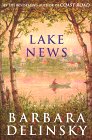
- Compare and contrast Lily Blake's life in Boston and her life in Lake Henry. What does each locale offer her? How does Delinsky use setting to reveal character? Discuss how Lily's relationships in each place differ. Compare, for example, the reaction of her Essex Club boss after the scandal breaks to her reception at Charlie's in Lake Henry. What does the novel reveal about the rewards and sacrifices inherent in both urban and small-town living? What does it suggest about the meaning and importance of community?
- When Terry Sullivan accuses John Kipling of "hiding out" in Lake Henry, John says, "Not hiding. I'm totally visible." Police Chief Willie Jake says of Lake Henry residents: "We all know what we're all doin', but we don't use it against each other." Small towns -- where neighbors know the details of each other's business, families, and pasts -- are notorious for gossip. Yet when Lily returns to Lake Henry, she finds the townspeople accepting and protective of her. Discuss this paradox.
- In the course of the novel, Delinsky introduces her readers to a host of Lake Henry residents, from the Blake sisters to the general store owner to the police chief. How do these individual portraits enhance Delinsky's conjuring of Lake Henry as a tightly knit community? Which "minor" or "supporting" character did you find the most intriguing and why? Could it be argued that there are no "minor" residents in a town as small as Lake Henry?
📖
Get the full reading guide
Join BookBrowse free to unlock all 11 discussion questions, author background, themes, and more for Lake News.
Join free — it takes 30 seconds
Already a member? Log in →
- How does the author develop themes of identity and belonging throughout the narrative?
- What role does the setting play in shaping the characters' decisions and relationships?
- Discuss how the ending reframes the events of the story. Were you surprised?
Unless otherwise stated, this discussion guide is reprinted with the permission of Pocket Books.
Any page references refer to a USA edition of the book, usually the trade paperback version, and may vary in other editions.