-
Your next favorite book
is waiting.
Summary | Excerpt | Reviews | Beyond the book | Read-Alikes | Genres & Themes | Author Bio
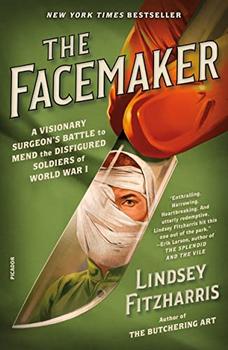
A Visionary Surgeon's Battle to Mend the Disfigured Soldiers of World War I
by Lindsey Fitzharris Book Reviewed by:
Lindsey Fitzharris, the award-winning author of The Butchering Art, presents the compelling, true story of a visionary surgeon who rebuilt the faces of the First World War's injured heroes, and in the process ushered in the modern era of plastic surgery.
From the moment the first machine gun rang out over the Western Front, one thing was clear: mankind's military technology had wildly surpassed its medical capabilities. Bodies were battered, gouged, hacked, and gassed. The First World War claimed millions of lives and left millions more wounded and disfigured. In the midst of this brutality, however, there were also those who strove to alleviate suffering. The Facemaker tells the extraordinary story of such an individual: the pioneering plastic surgeon Harold Gillies, who dedicated himself to reconstructing the burned and broken faces of the injured soldiers under his care.
Gillies, a Cambridge-educated New Zealander, became interested in the nascent field of plastic surgery after encountering the human wreckage on the front. Returning to Britain, he established one of the world's first hospitals dedicated entirely to facial reconstruction. There, Gillies assembled a unique group of practitioners whose task was to rebuild what had been torn apart, to re-create what had been destroyed. At a time when losing a limb made a soldier a hero, but losing a face made him a monster to a society largely intolerant of disfigurement, Gillies restored not just the faces of the wounded but also their spirits.
The Facemaker places Gillies's ingenious surgical innovations alongside the dramatic stories of soldiers whose lives were wrecked and repaired. The result is a vivid account of how medicine can be an art, and of what courage and imagination can accomplish in the presence of relentless horror.
1
THE BALLERINA'S RUMP
The war and all its horrors were as yet unimaginable as Harold Delf Gillies and his wife wove their way through Covent Garden. Slender, with a beaklike nose and dark brown eyes that often glinted with mischief, the thirty-year-old surgeon had a habit of slouching that made him seem shorter than his five foot nine inches. The couple pushed on through the throng of stallholders and hawkers who were concluding their day's business on the cobbled streets. In the spring of 1913, London was a far more commanding presence in the world than it would be on the cusp of the Second World War, twenty-six years later. With over seven million people living there, this bustling metropolis was larger than the municipalities of Paris, Vienna, and St. Petersburg put together, and it was home to more people than Britain and Ireland's sixteen other largest cities combined.
London wasn't just big. It was also wealthy. The city funneled ships into and out of the North Sea via the ...
Fitzharris describes Gillies' surgical techniques in detail, and while some specificity helps allow for visualization of the process, the descriptions occasionally become overly complex. The pictures included in the book are of greater benefit, showing several patients before, during and after their surgeries. Equally tragic and inspirational, detailed and thoroughly intriguing, The Facemaker brilliantly recounts the innovative efforts of Harold Gillies as he not only restored the faces of men injured on the battlefields but also laid the foundation for modern plastic surgery. Those interested in history, medicine and World War I will find plenty to love in Fitzharris' book if they can stomach the graphic descriptions and images...continued
Full Review
 (729 words)
(Reviewed by Jordan Lynch).
 Erik Larson, author of The Splendid and the Vile
Wow, what a book. Enthralling. Harrowing. Heartbreaking. And utterly redemptive. Lindsey Fitzharris hit this one out of the park. Karen Abbott, author of The Ghosts of Eden Park
Here is that rare thing: a little-known story of the Great War, featuring a pioneering surgeon every bit as daring as the soldiers he saved. Beautifully written, illuminating, and bursting with fascinating detail, The Facemaker is a groundbreaking work that deserves its own genre: medical noir. You won't be able to put it down. Mary Roach, author of Fuzz and Stiff
Out of war's most awful wounds, out of gore and terror and pain, Lindsey Fitzharris has—like Sir Harold Gillies himself—crafted something inspiring and downright miraculous. I cannot imagine the sweat and sleuthing and doggedness that went into gathering the details and building the narratives of these men's struggles. This book is riveting. It is gruesome but it is also uplifting. For as much as there is blood and bone and pus in these pages, there is heart. As Fitzharris shows us, the scalpel is mightier than the grenade, and the pen is mightiest of all. What a triumph this book is.
Erik Larson, author of The Splendid and the Vile
Wow, what a book. Enthralling. Harrowing. Heartbreaking. And utterly redemptive. Lindsey Fitzharris hit this one out of the park. Karen Abbott, author of The Ghosts of Eden Park
Here is that rare thing: a little-known story of the Great War, featuring a pioneering surgeon every bit as daring as the soldiers he saved. Beautifully written, illuminating, and bursting with fascinating detail, The Facemaker is a groundbreaking work that deserves its own genre: medical noir. You won't be able to put it down. Mary Roach, author of Fuzz and Stiff
Out of war's most awful wounds, out of gore and terror and pain, Lindsey Fitzharris has—like Sir Harold Gillies himself—crafted something inspiring and downright miraculous. I cannot imagine the sweat and sleuthing and doggedness that went into gathering the details and building the narratives of these men's struggles. This book is riveting. It is gruesome but it is also uplifting. For as much as there is blood and bone and pus in these pages, there is heart. As Fitzharris shows us, the scalpel is mightier than the grenade, and the pen is mightiest of all. What a triumph this book is.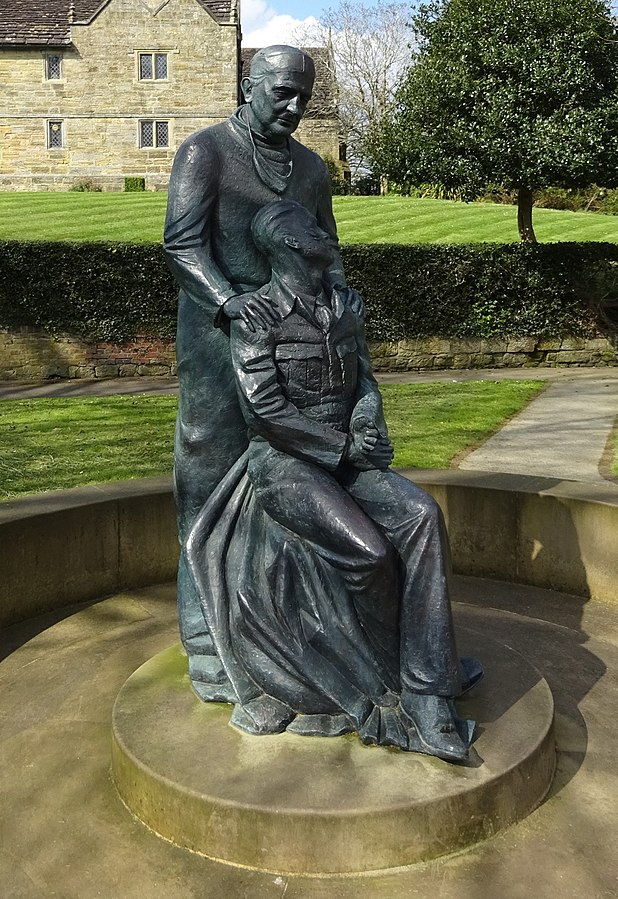 The Facemaker by Lindsey Fitzharris tells the story of Harold Gillies, a brilliant surgeon and visionary who helped pioneer the field of facial reconstruction during World War I. Through his dedication and innovation, Gillies not only restored the faces of countless soldiers, he also laid the foundation for future reconstructive work and modern-day plastic surgery. Many individuals were influenced by Gillies, including his cousin, Archibald McIndoe.
McIndoe was born in New Zealand in 1900 and graduated from medical school in 1923. He traveled to America, where he worked at the Mayo Clinic, and moved to England in 1931. When he was unable to find employment there, he reached out to his cousin, Harold Gillies, who was older by almost two ...
If you liked The Facemaker, try these:
by Emma Donoghue
Published 2021
In Dublin, 1918, a maternity ward at the height of the Great Flu is a small world of work, risk, death, and unlooked-for love, in "Donoghue's best novel since Room" (Kirkus Reviews).
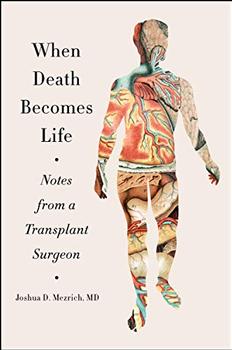
by Joshua D. Mezrich
Published 2020
A gifted surgeon illuminates one of the most profound, awe-inspiring, and deeply affecting achievements of modern day medicine - the movement of organs between bodies - in this exceptional work of death and life.
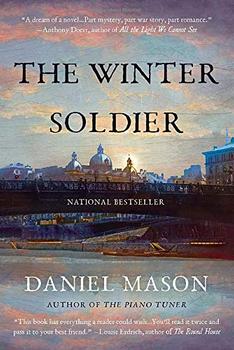
by Daniel Mason
Published 2019
By the international bestselling author of The Piano Tuner, a sweeping and unforgettable love story of a young doctor and nurse at a remote field hospital in the First World War.


 (1).gif)
In war there are no unwounded soldiers
Click Here to find out who said this, as well as discovering other famous literary quotes!

Can you name the title?
Test your book knowledge with our daily trivia challenge!