-
See Our Best Book
Club Books of 2026!
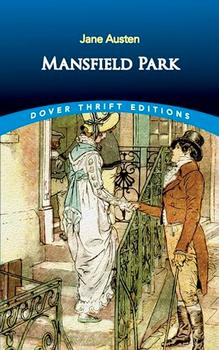
Classic Novels)
by Jane Austen
When Fanny Price comes to live with her well-to-do cousins at Mansfield Park, the modest, retiring ten-year-old is treated condescendingly by members of the Bartram family.
A poor relation, dependent on the goodwill of her aristocratic relatives, the sweet, sensitive, and frequently ignored Fanny nevertheless eventually develops into the ethical center of the family.
Trouble begins with the arrival of Mary Crawford and her brother Henry. Their sophisticated London tastes, and penchant for flirtatious activities, shatter the tranquility of the Bartram home, creating social havoc and precipitating a crisis in the family. But Fanny — always clever, graceful, and pleasant — provides a bulwark of moral strength, eventually winning her family's complete acceptance (and the love of her cousin Edmund).
Described by Lionel Trilling as the most experimental and modern of Jane Austen's works, Mansfield Park is also Austen's most serious novel, written in the full flower of the novelist's maturity. Enlivened by an amusing cast of busybodies, ne'er-do-wells, and social climbers, this acclaimed novel of early-19th-century English society will also appeal to readers as an entertaining study of the interplay between manners, education, and ethics.
Media reviews not yet available.
This information about Mansfield Park (Dover Thrift Editions was first featured
in "The BookBrowse Review" - BookBrowse's membership magazine, and in our weekly "Publishing This Week" newsletter. Publication information is for the USA, and (unless stated otherwise) represents the first print edition. The reviews are necessarily limited to those that were available to us ahead of publication. If you are the publisher or author and feel that they do not properly reflect the range of media opinion now available, send us a message with the mainstream reviews that you would like to see added.
Any "Author Information" displayed below reflects the author's biography at the time this particular book was published.
Jane Austen was an English novelist known primarily for her six novels, which implicitly interpret, critique, and comment upon the British landed gentry at the end of the 18th century. Austen's plots often explore the dependence of women on marriage for the pursuit of favourable social standing and economic security. Her works are an implicit critique of the novels of sensibility of the second half of the 18th century and are part of the transition to 19th-century literary realism.
The Sister's Curse
by Nicola Solvinic
The Lost Story of Eva Fuentes
by Chanel Cleeton
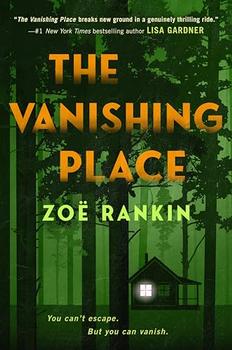
The Vanishing Place
by Zoë Rankin
 (1).gif)
Idealism increases in direct proportion to one's distance from the problem.
Click Here to find out who said this, as well as discovering other famous literary quotes!

Can you name the title?
Test your book knowledge with our daily trivia challenge!
Your guide toexceptional books
BookBrowse seeks out and recommends the best in contemporary fiction and nonfiction—books that not only engage and entertain but also deepen our understanding of ourselves and the world around us.