-
See Our Best Book
Club Books of 2026!
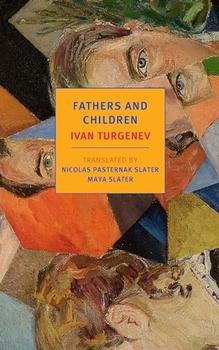
by Ivan Turgenev
A 19th-century Russian masterpiece about love, politics, family, and the tension between the new generation and the old world.
Ivan Turgenev's Fathers and Children is a book full to bursting with life, both comic and tragic. At the heart of this novel about love, politics, and society, strong beliefs and heated disagreements, illness and death, is the generational divide between the young and the old. When the young university graduate Arkady and his mentor, the nihilist Bazarov, leave St. Petersburg to visit their aging parents in the provinces, the conflict that ensues from the generations' clashing views of the world—the youths' radicalism and the parents' liberalism—is both representative of nineteenth-century Russia and recognizably contemporary. At the time of its publication in 1862, the book aroused indignation in critics who felt betrayed by Turgenev's refusal to let his novel serve a single ideology; it also received a spirited defense by those who saw in his diffuse sympathies a greater service to art and to humanity. In this fresh new translation Nicolas Pasternak Slater and Maya Slater have captured Turgenev's subtle humor, his pitch-perfect ear for dialogue, his compassion, and, above all, his skill as a storyteller.
"Turgenev's remarkable quality of insight, gives [Fathers and Children] an uncanny position in Russian literature and life... . The new English translation... is also highly readable, and can occasion another look at the book, for those who've read it before, or a first look for those who haven't... . This rupture between parents and their children is what happens, over and over, with every new generation; there is nothing for it, no remedy, no answer." —The New Yorker
"An excellent and highly readable translation by veteran Russianists Nicolas Pasternak Slater and Maya Slater... . What makes the novel continually timely is Turgenev's insight into the psychology of such youthful rebellion... . We've seen enough of the self-righteousness of children and the stubbornness of parents to make Fathers and Children a book for our moment." —Air Mail
This information about Fathers and Children (New York Review Books Classics) was first featured
in "The BookBrowse Review" - BookBrowse's membership magazine, and in our weekly "Publishing This Week" newsletter. Publication information is for the USA, and (unless stated otherwise) represents the first print edition. The reviews are necessarily limited to those that were available to us ahead of publication. If you are the publisher or author and feel that they do not properly reflect the range of media opinion now available, send us a message with the mainstream reviews that you would like to see added.
Any "Author Information" displayed below reflects the author's biography at the time this particular book was published.
Ivan Sergeyevich Turgenev (1818–1883) was born into a wealthy family of the Russian landed gentry and educated in Moscow, St. Petersburg, and Berlin. He made his name as a writer with A Sportsman's Sketches, an unvarnished picture of Russian country life that is said to have influenced Tsar Alexander II's decision to liberate the serfs. In later years, Turgenev lived in Europe, returning only rarely to his native country. He was the author of poems, stories, plays, and six novels, the most celebrated of which include Fathers and Children, Rudin, Virgin Soil and On the Eve.
The Sister's Curse
by Nicola Solvinic
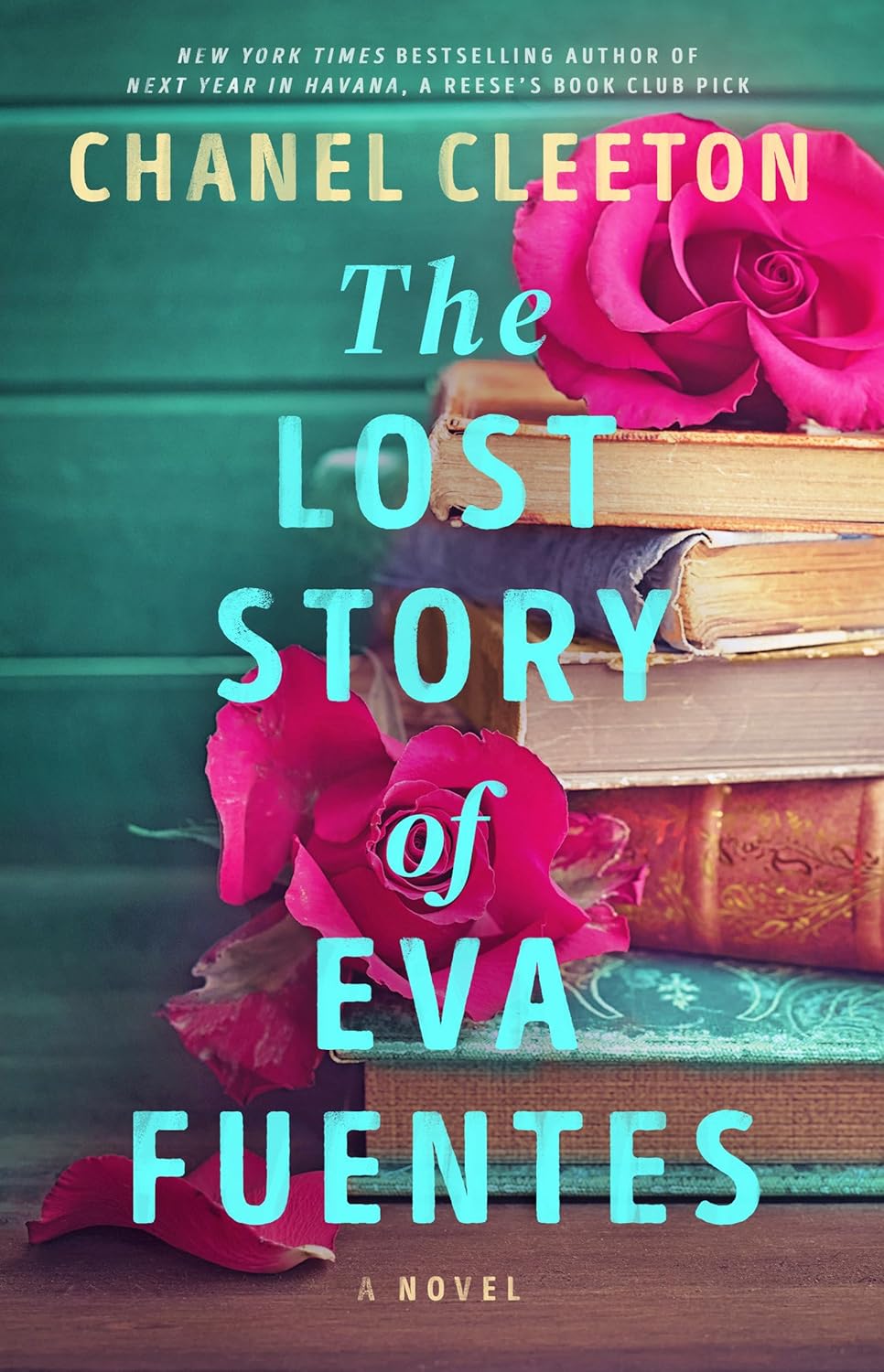
The Lost Story of Eva Fuentes
by Chanel Cleeton

The Vanishing Place
by Zoë Rankin
 (1).gif)
Wisdom is the reward you get for a lifetime of listening when you'd rather have been talking
Click Here to find out who said this, as well as discovering other famous literary quotes!

Can you name the title?
Test your book knowledge with our daily trivia challenge!
Your guide toexceptional books
BookBrowse seeks out and recommends the best in contemporary fiction and nonfiction—books that not only engage and entertain but also deepen our understanding of ourselves and the world around us.