-
See Our Best Book
Club Books of 2026!
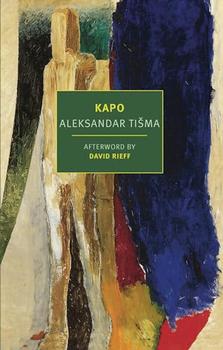
by Aleksander Tisma
A devastating novel about the attrocities of WWII, and the unspeakable things people did to survive, by one of Yugoslavia's great literary voices.
The Book of Blam, The Use of Man, Kapo: In these three unsparing novels the Yugoslav author Aleksandar Tišma anatomized the plight of those who survived the Second World War and the death camps, only to live on in a death-haunted world. Blam simply lucked out—and can hardly face himself in the mirror. By contrast, the teenage friends in The Use of Man are condemned to live on and on while enduring every affliction. Kapo is about Lamian, who made it through Auschwitz by serving his German masters, knowing that at any moment and for any reason his "special status" might be revoked.
But the war is over now. Auschwitz is in the past. Lamian has settled down in the Bosnian town of Banja Luka, where he has a respectable job as a superintendent in the railyard. Everything is normal enough. Then one day in the paper he comes on the name of Helena Lifka, a woman—like him a Yugoslav and a Jew—he raped in the camp. Not long after he sees her, aged and ungainly, Lamian is flooded with guilt and terror.
Kapo, like Tišma's other great novels, is not simply a document or an act of witness. Tišma's terrible gift is to see with an artist's dispassionate clarity how fear, violence, guilt, and desire—whether for life, love, or simple understanding—are inextricably knotted together in the human breast.
"A brooding, curiously prescient saga... . A probing, exceptional study of a man as both victim and tormentor, and more." —Kirkus Reviews
This information about Kapo was first featured
in "The BookBrowse Review" - BookBrowse's membership magazine, and in our weekly "Publishing This Week" newsletter. Publication information is for the USA, and (unless stated otherwise) represents the first print edition. The reviews are necessarily limited to those that were available to us ahead of publication. If you are the publisher or author and feel that they do not properly reflect the range of media opinion now available, send us a message with the mainstream reviews that you would like to see added.
Any "Author Information" displayed below reflects the author's biography at the time this particular book was published.
Aleksandar Tišma (1924–2003) was born in the Vojvodina, a former province of the Austro-Hungarian Empire that had been incorporated into the new Kingdom of Yugoslavia after the First World War. His father, a Serb, came from a peasant background; his mother was middle-class and Jewish. The family lived comfortably, and Tišma received a good education. In 1941, Hungary annexed Vojvodina; the next year—Tišma's last in high school—the regime carried out a series of murderous pogroms, killing some 3,000 inhabitants, primarily Serbs and Jews, though the Tišmas were spared. After fighting for the Yugoslav partisans, Tišma studied philosophy at Belgrade University and went into journalism and in 1949 joined the editorial staff of a publishing house, where he remained until his retirement in 1980. Tišma published his first story, "Ibika's House," in 1951; it was followed by the novels Guilt and In Search of the Dark Girl and a collection of stories, Violence. In the 1970s and '80s, he gained international recognition with the publication of his Novi Sad trilogy: The Book of Blam (1971), about a survivor of the Hungarian occupation of Novi Sad; The Use of Man (1976), which follows a group of friends through the Second World War and after; and Kapo (1987), the story of a Jew raised as a Catholic who becomes a guard in a German concentration camp. Tišma moved to France after the outbreak of war and collapse of Yugoslavia in the early 1990s, but in 1995 he returned to Novi Sad, where he spent his last years.
The Sister's Curse
by Nicola Solvinic
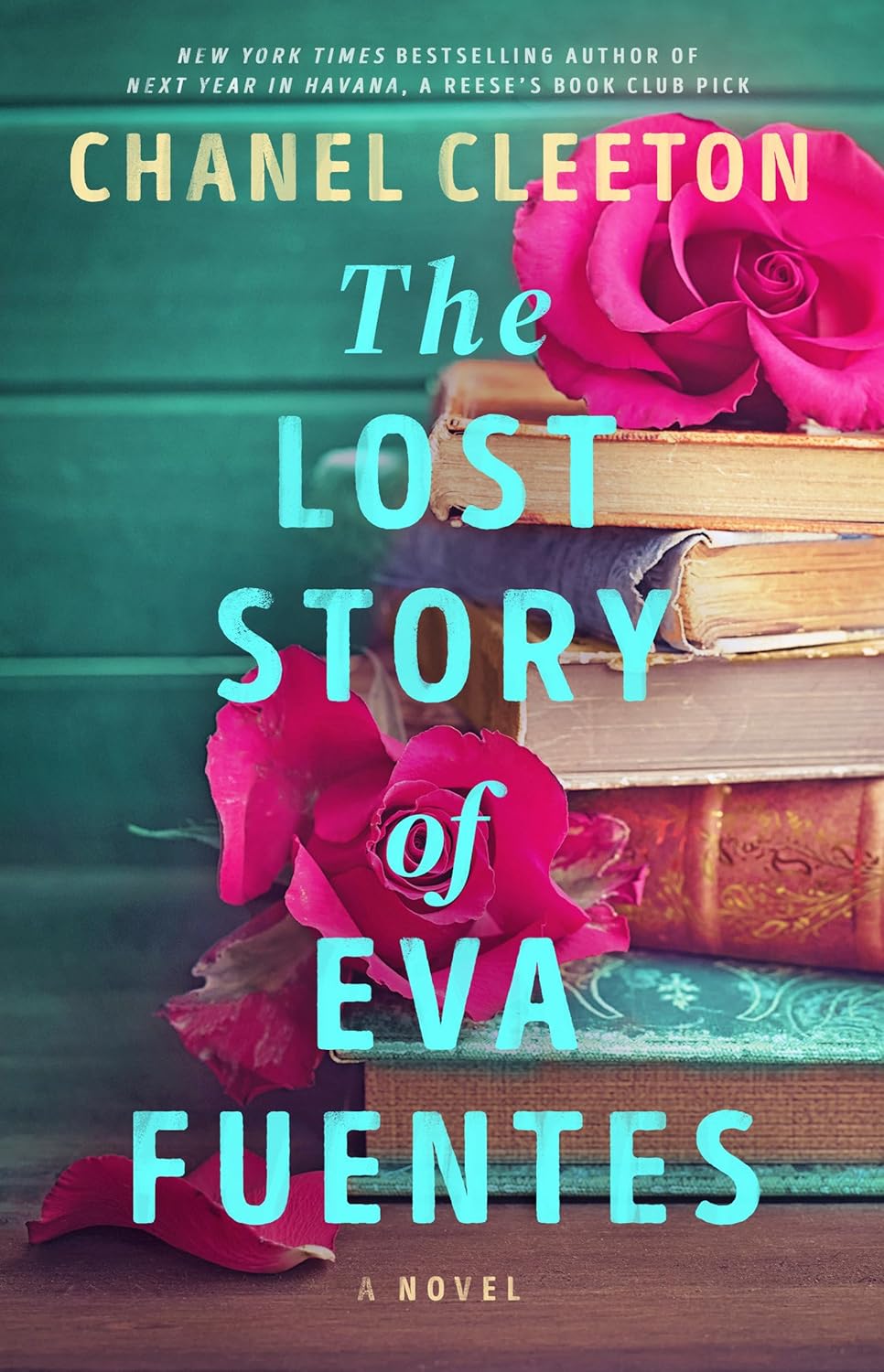
The Lost Story of Eva Fuentes
by Chanel Cleeton
The Vanishing Place
by Zoë Rankin
 (1).gif)
A million monkeys...
Click Here to find out who said this, as well as discovering other famous literary quotes!

Can you name the title?
Test your book knowledge with our daily trivia challenge!
Your guide toexceptional books
BookBrowse seeks out and recommends the best in contemporary fiction and nonfiction—books that not only engage and entertain but also deepen our understanding of ourselves and the world around us.