-
Your next favorite book
is waiting.
Summary | Excerpt | Reviews | Beyond the book | Read-Alikes | Genres & Themes | Author Bio

How Student Loans Became a National Catastrophe
by Josh Mitchell Book Reviewed by:
From acclaimed Wall Street Journal reporter Josh Mitchell, the dramatic, untold story of student debt in America.
In 1982, a new executive at Sallie Mae took home the company's financial documents to review. "You've got to be shitting me," he later told the company's CEO. "This place is a gold mine."
Over the next four decades, the student loan industry that Sallie Mae and Congress created blew up into a crisis that would submerge a generation of Americans into $1.5 trillion in student debt. In The Debt Trap, Wall Street Journal reporter Josh Mitchell tells the untold story of the scandals, scams, predatory actors, and government malpractice that have created the behemoth that one of its original architects called a "monster."
The tale begins in 1957 with the launch of Sputnik. Afraid that America was falling behind the Soviets in science education, Congress created the first major federal student loan program to enroll more students in college. What followed were a series of well-intentioned government actions that created a cycle of reckless lending and runaway tuition. Easy access to loans allowed colleges to raise tuition to unheard of levels, which in turn led Congress to increase loan limits and interest rates and expand who could borrow. This spiral continued as the private banks that fronted the money made huge profits on interest. "Nobody was pure in this business," one former college president said.
As he charts the gripping seventy-year history of student debt in America, Mitchell never loses sight of the countless student victims ensnared by an exploitive system that depends on their debt. Mitchell also draws alarming parallels to the housing crisis in the late 2000s, showing the catastrophic consequences student debt has had on families and the nation's future. Mitchell's character-driven narrative is required reading for anyone wanting to understand the central economic issue of our day.
Introduction
Lisa's lawyer needed an answer. The government isn't budging, her bankruptcy attorney said on the other end of the line. How much more money should we offer?
It was Monday, August 13, 2018. The midday sun beat down on Lisa as she stood in a plaza dotted with palm trees at the University of South Florida in Tampa, pacing in front of the doors to the student center, phone pressed to her ear, as she discussed her fate with the attorney, Bob Lohr.
She had just dropped off her 18-year-old daughter, Stephanie, for freshman orientation. The long drive down I-95 from their home in Chester, Pennsylvania, had been eerily quiet. Stephanie, normally bubbly, had jitters about starting college in a new city. Lisa didn't feel like talking, either. She was suffering another bout of agony over her own student debt. She had been paying off her federal student loans for 17 years, starting when Stephanie was an infant. Lisa still owed nearly $100,000. She worried she would go to her grave with...
The Debt Trap introduces readers to some of the most important and well paid names in student loans, banking and government, all of whom received handsome incentives to not only continue a cycle of predatory behaviors towards unsuspecting and desperate victims, but to cultivate the growth of the industry to make it "too big to fail." The book also lifts the veil on the culpability and involvement of colleges and universities in the catastrophe that student loans have become. It details the lack of oversight and regulations that allowed colleges and universities to become predatory organizations that were focused less on the students they enrolled and more on the money they received from their enrollment. Examples like these offer an important and less common narrative about the integrity of post-secondary educational institutions in the United States...continued
Full Review
 (559 words)
(Reviewed by Eddie Bennett).
 Brad Hope, New York Times bestselling co-author of The Billion Dollar Whale
A powerful investigation into one of the most important economic crises of our time. The storytelling is lively and emotive, which is crucial for understanding the human impact of towers of student debt on everyday Americans. The book should be read by politicians, parents and students alike as a cautionary tale of how government policies can bring enormous gains while also wreaking havoc on lives. Christopher Leonard, New York Times bestselling author of Kochland
A masterfully written, surprising, and deeply reported book that is studded with breathtaking insights on every page. The Debt Trap is about more than student debt — it's the true story of how America's ladder of opportunity was turned into a debtor's prison. It's all here: Well-intentioned government programs gone awry, corporate corruption, exploitation, and the unbreakable hope of American people working tirelessly for a better life. An indispensable book to understand one of the most urgent problems in our country today. Jeffrey Selingo, New York Times bestselling author of Who Gets In and Why and There Is Life After College
A deeply reported, jaw-dropping book. A must-read for every student, parent, and educator. Through engaging storytelling, this timely book helps us understand, in the same way as The Big Short did with housing, how we allowed a student-loan system started with good intentions during the Great Society to grow into an uncontrolled behemoth that has left tens of millions of Americans saddled with trillions in debt.
Brad Hope, New York Times bestselling co-author of The Billion Dollar Whale
A powerful investigation into one of the most important economic crises of our time. The storytelling is lively and emotive, which is crucial for understanding the human impact of towers of student debt on everyday Americans. The book should be read by politicians, parents and students alike as a cautionary tale of how government policies can bring enormous gains while also wreaking havoc on lives. Christopher Leonard, New York Times bestselling author of Kochland
A masterfully written, surprising, and deeply reported book that is studded with breathtaking insights on every page. The Debt Trap is about more than student debt — it's the true story of how America's ladder of opportunity was turned into a debtor's prison. It's all here: Well-intentioned government programs gone awry, corporate corruption, exploitation, and the unbreakable hope of American people working tirelessly for a better life. An indispensable book to understand one of the most urgent problems in our country today. Jeffrey Selingo, New York Times bestselling author of Who Gets In and Why and There Is Life After College
A deeply reported, jaw-dropping book. A must-read for every student, parent, and educator. Through engaging storytelling, this timely book helps us understand, in the same way as The Big Short did with housing, how we allowed a student-loan system started with good intentions during the Great Society to grow into an uncontrolled behemoth that has left tens of millions of Americans saddled with trillions in debt.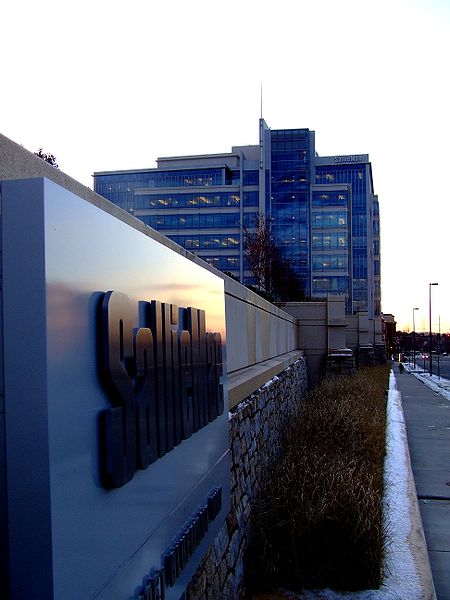 In 1972 the Student Loan Marketing Association, or Sallie Mae as it came to be known, was created as a government sponsored enterprise to provide and manage education loans in the United States.
The conditions for the student loan industry were established much earlier. At the beginning of the 20th century, most families would only be able to send one child to college if they could afford to send any. But by the 1920s, with the boom of the economy, there was a rise in the level of consumerism, and with it, credit. People were buying more because they were borrowing from banks to pay for the things they desired. This led to a difference in how Americans viewed the attainability of education.
However, banks were still extremely ...
If you liked The Debt Trap, try these:

by Matthew Desmond
Published 2024
The Pulitzer Prize–winning, bestselling author of Evicted reimagines the debate on poverty, making a new and bracing argument about why it persists in America: because the rest of us benefit from it.

by Marty Makary
Published 2021
One in five Americans now has medical debt in collections and rising health care costs today threaten every small business in America. Dr. Makary, one of the nation's leading health care experts, travels across America and details why health care has become a bubble.
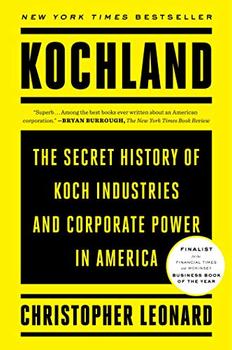
by Christopher Leonard
Published 2020
Just as Steve Coll told the story of globalization through ExxonMobil and Andrew Ross Sorkin told the story of Wall Street excess through Too Big to Fail, Christopher Leonard's Kochland uses the extraordinary account of how one of the biggest private companies in the world grew to be that big to tell the story of modern corporate America.


 (1).gif)
The library is the temple of learning, and learning has liberated more people than all the wars in history
Click Here to find out who said this, as well as discovering other famous literary quotes!

Can you name the title?
Test your book knowledge with our daily trivia challenge!